Starving Pathogens: Targeting Heme Acquisition
You are here
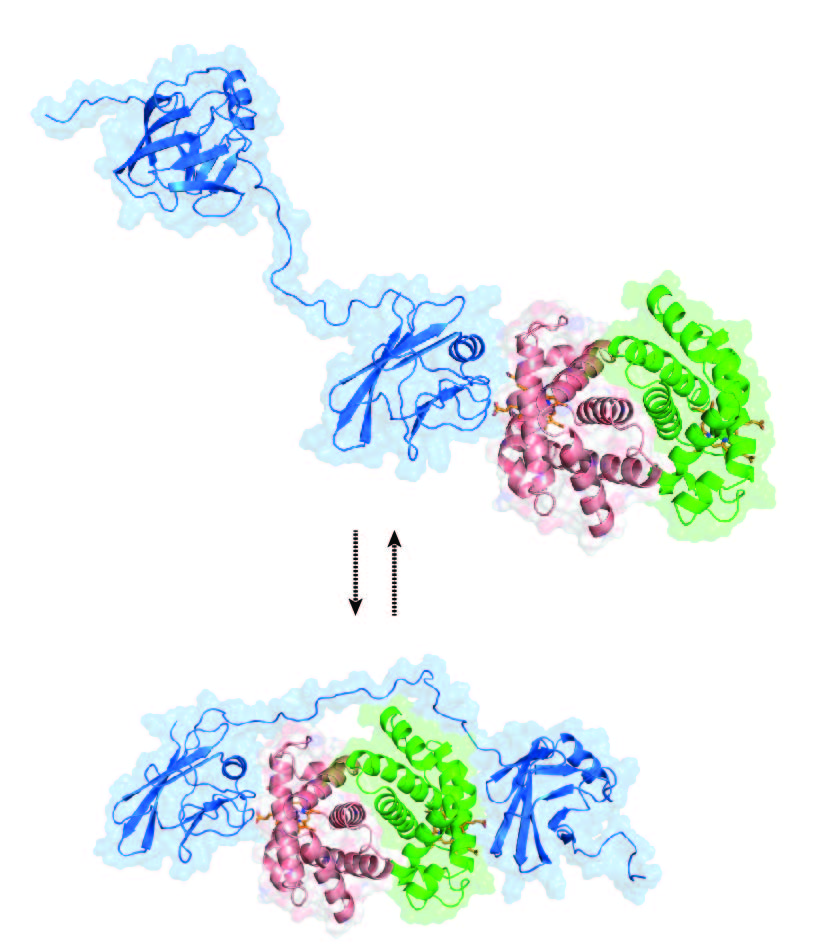
Bacterial pathogens survive in the human host by evading iron sequestration. Our lab studies how they hijack heme from hemoglobin—a process critical for their survival and virulence. Using structural biology, biophysics, proteomics, and protein engineering, we aim to uncover the molecular mechanisms of heme capture and find new ways to block it to combat infectious disease.
Our recent studies highlight the remarkable strategies of Gram-positive pathogens such as Corynebacterium diphtheriae, Streptococcus pyogenes, and Staphylococcus aureus in scavenging heme from hemoglobin. Each pathogen has evolved unique molecular approaches, exploiting subtle differences in receptor dynamics and globin stability to extract heme either passively or actively at the microbial surface. These findings reveal how a single host protein can be exploited in strikingly different ways, underscoring the complexity and diversity of host-pathogen interactions.
Currently, our lab is exploring heme trafficking as a dynamic process on the bacterial cell surface. By integrating static structural snapshots with kinetic and spectroscopic techniques, we aim to capture fleeting intermediates that define the flow of heme from hemoglobin to the pathogen. As part of these studies, we are developing fluorescent reporters that allow real-time tracking of heme transfer under physiologically relevant conditions.
Ultimately, we aim to turn our molecular insights into therapies that block bacterial heme capture. By targeting these essential pathways, we hope to develop treatments that starve pathogens of the nutrients they need to survive, offering a new approach against antibiotic-resistant infections.
Relevant publications: